

Maintaining a pest-free warehouse environment is essential for safeguarding your property, employees, and merchandise. Rodents pose a significant threat to warehouses, causing structural damage and carrying diseases. Implementing proactive measures to deter rodents is crucial for warehouse owners and managers. Here are ten effective strategies to prevent rodent infestations in warehouses.
Educate your employees about maintaining a clean and organized warehouse environment. Emphasize the role they play in preventing rodent infestations and encourage their cooperation in implementing preventive measures.
Regularly inspect incoming shipments for signs of rodents, such as droppings, gnaw marks, or holes in packaging. This proactive approach allows you to identify potential entry points for rodents and take preventive action.
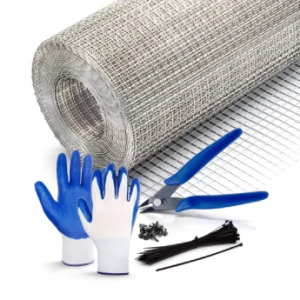
Thoroughly inspect the warehouse for gaps, cracks, or openings that rodents could exploit to gain entry. Seal any potential entry points using durable materials like steel wool or caulk to create a barrier against rodent intrusion.
Trim overgrown vegetation, trees, and bushes around the warehouse perimeter to eliminate potential hiding spots for rodents. Remove ivy and fruit trees that attract rodents and give them easy access to the building.


Organize storage units in a manner that allows for easy inspection and accessibility. Space out storage units to prevent overcrowding and minimize potential hiding spots for rodents.
Regularly rotate stored items to prevent rodents from establishing nesting sites in undisturbed areas. Moving storage units around disrupts rodent activity and reduces the risk of infestation.
Deploy rodent traps strategically throughout the warehouse to capture and eliminate any rodents that may have gained entry. Choose from a variety of trap options, including snap traps, catch-and-release traps, or electric traps, depending on your preferences and requirements.
Maintain a high standard of cleanliness throughout the warehouse, including regular garbage disposal and immediate cleanup of spills or messes. Disinfect and sanitize areas prone to rodent activity to minimize the risk of disease transmission.
Keep the warehouse well-organized and clutter-free to eliminate potential nesting sites for rodents. Clear out unused materials, cardboard boxes, and debris that could provide shelter or food sources for rodents.
Prohibit eating in the warehouse or establish designated eating areas outside the warehouse premises. Encourage employees to clean up thoroughly after meals to prevent food debris from attracting rodents.
By implementing these ten strategies, warehouse owners and managers can prevent rodent infestations and maintain a clean and hygienic environment. Proactive measures, combined with regular inspections and employee cooperation, are essential for preserving the integrity and functionality of the warehouse.


Effective pest prevention hinges on eliminating food sources that attract pests. Keep your kitchen counters and floors clean to avoid providing pests with easy access to crumbs and food debris. Additionally, store food in sealed containers and limit eating to designated areas like the kitchen. Be vigilant about disposing of overripe fruits and produce, as they attract fruit flies and other pests.
Maintaining a clean home is paramount to pest prevention. Regular cleaning routines, including seasonal deep cleans, help eliminate hiding spots and food sources for pests. Pay particular attention to areas prone to pest activity, such as kitchens, pantries, and storage areas. Additionally, inspect the furniture, mattresses, and other dark, warm spaces for signs of infestation.
Pets can inadvertently attract pests like fleas and ticks into your home. Protect your furry companions using flea and tick repellents and keeping their living areas clean. Store pet food in sealed containers and promptly clean up spills or leftovers to prevent pests from congregating around feeding areas.
Regular inspections of your home’s exterior and interior can help identify and address potential entry points for pests. Seal cracks and crevices, repair broken window screens, and promptly address structural issues. Focus on areas where pests are likely to hide, such as basements, attics, and crawl spaces.
In conclusion, maintaining a pest-free home requires diligence and consistency in cleaning and maintenance practices. Following these seven cleaning tips, you can create an inhospitable environment for pests and enjoy peace of mind with a pest-free living space.