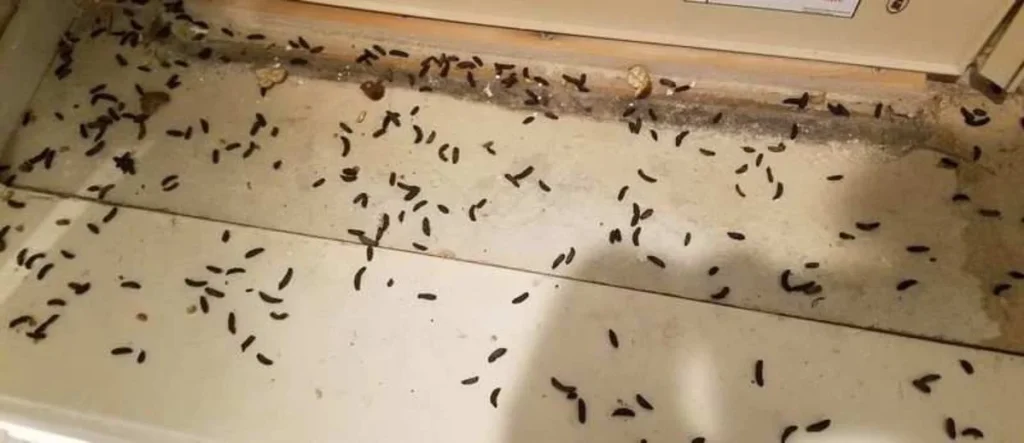


Rodents pose more than just a threat to your pantry; they can be carriers of dangerous diseases, making it crucial to handle their droppings with care. In this article, we explore what rodent droppings look like, their potential dangers, and how to safely dispose of them.
The real concern lies in the diseases that rodent droppings can carry. Mice and rats are known carriers of over 35 diseases, many of which can be transmitted through the air. It’s imperative to address a rodent problem promptly and safely to protect your household from these infectious diseases, including Hantavirus, Salmonellosis, Rat-Bite Fever, Lymphocytic Choriomeningitis, Bubonic Plague, and Tularemia.
The real concern lies in the diseases that rodent droppings can carry. Mice and rats are known carriers of over 35 diseases, many of which can be transmitted through the air. It’s imperative to address a rodent problem promptly and safely to protect your household from these infectious diseases, including Hantavirus, Salmonellosis, Rat-Bite Fever, Lymphocytic Choriomeningitis, Bubonic Plague, and Tularemia.
In urban environments, such as cities and multi-family living complexes, rat infestations are more common compared to rural areas. Distinguishing between signs of mice and rats is crucial, and one of the primary distinctions lies in size. While the indicators of a rat infestation share similarities with those of mice, the larger size of rats is reflected in the evidence they leave behind.
The temptation to quickly clean up and discard rodent droppings must be resisted in favour of a more thorough and safe approach. Before starting the cleaning process, it is advisable to contact a professional pest control company. Failure to eliminate the rodent nest may lead to a recurring issue. A professional exterminator can help identify entry points and formulate a customized treatment plan for your specific situation.

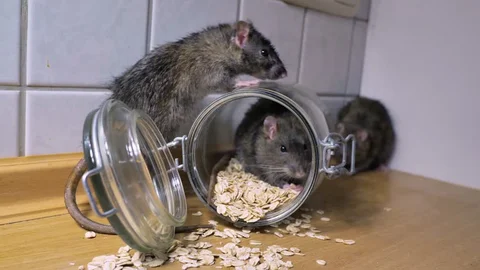
Once you have scheduled a professional appointment, you can begin cleaning, emphasizing proper sanitation to limit exposure to pathogens. Remember, mouse droppings can continue to harbour pathogens even after the rodents are eliminated, underscoring the importance of a comprehensive approach to cleaning and sanitizing affected areas.
In conclusion, addressing a rodent problem goes beyond mere inconvenience; it is essential for the health and safety of your household. Understanding the risks associated with rodent droppings and following proper disposal procedures can ensure a safer and more secure living environment.