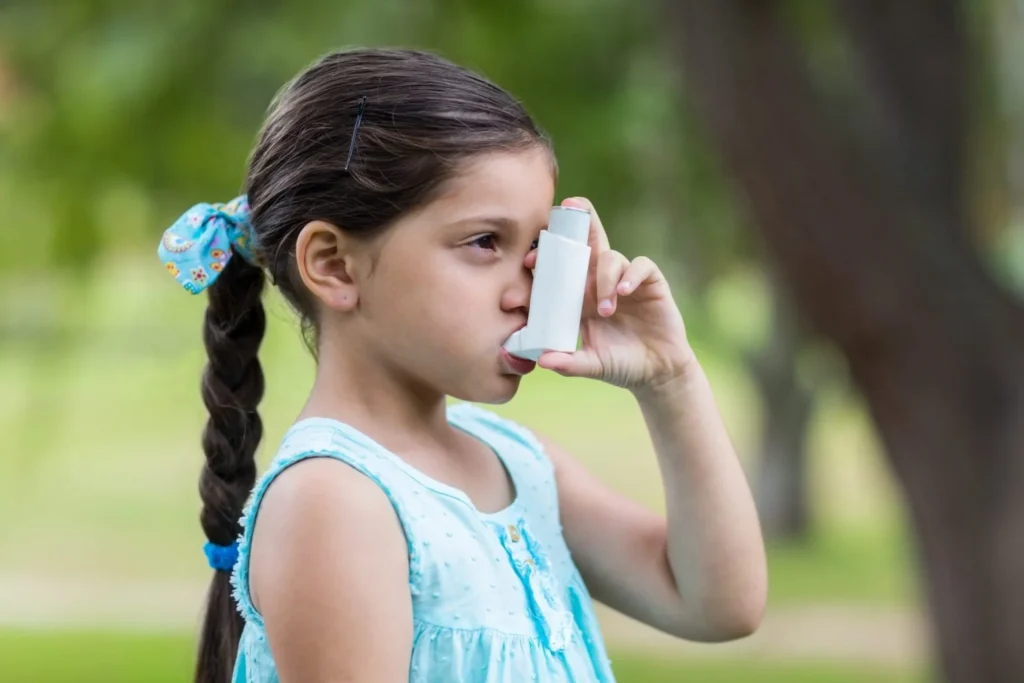
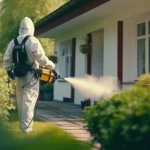

Suppose you’ve observed your child’s once mild symptoms of a runny nose and watery eyes escalating into more serious respiratory issues like asthma. In that case, you might be wondering if there’s a connection between pests and asthma. The answer is a resounding yes. Here’s why some of the most common household pests can worsen allergy and asthma symptoms and even contribute to the development of asthma in children.
These unsightly insects are not just a nuisance; they can also severely affect your child’s respiratory health. Cockroaches are among the most common and problematic pests for exacerbating respiratory issues. They have been linked to the development of asthma in children, especially if one or both parents have a history of asthma or allergies. This highlights the importance of maintaining a pest-free environment to safeguard your family’s health.
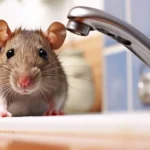
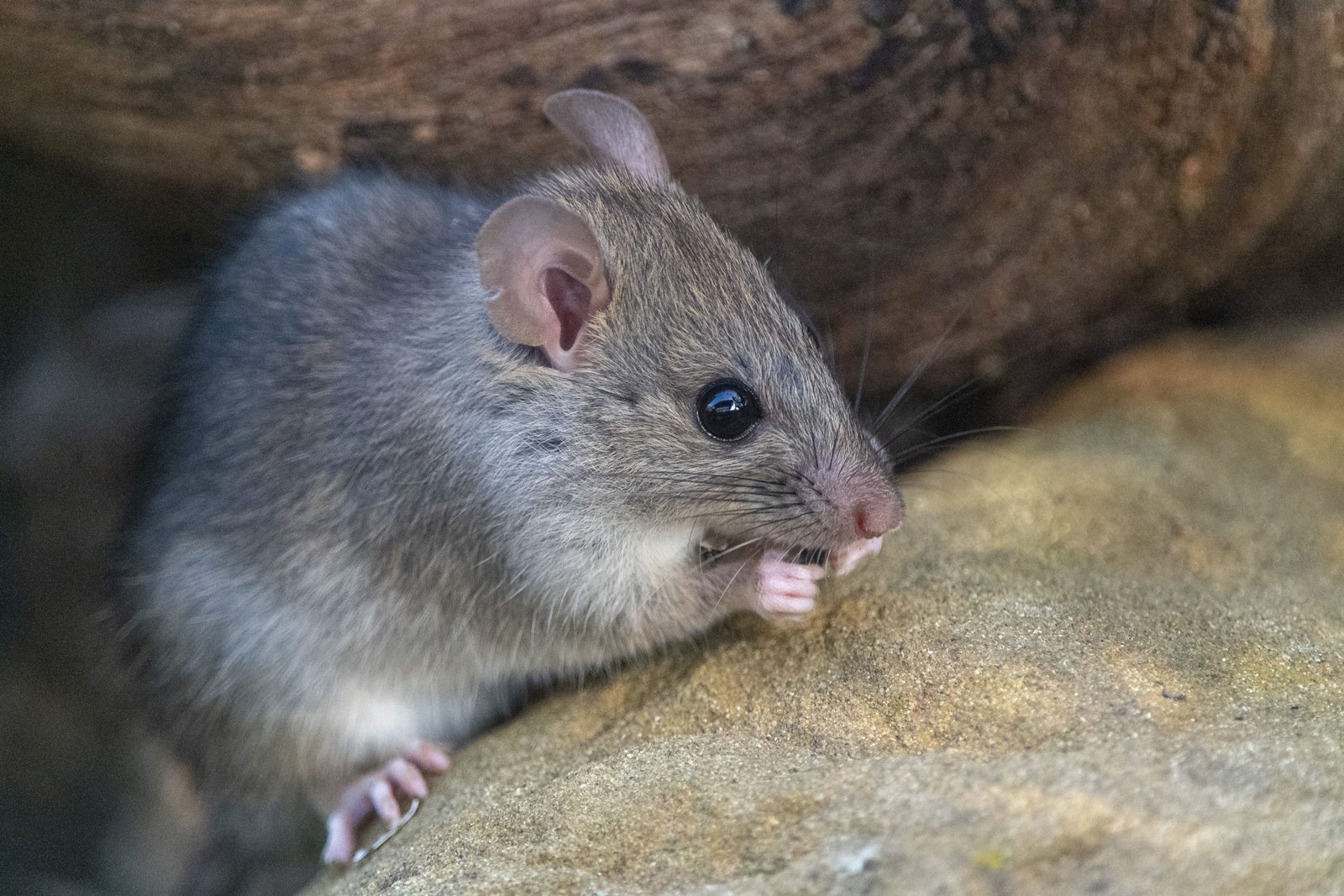
While the impact of mice and rats on allergies depends on whether an individual is allergic to them, these sneaky rodents can significantly worsen asthma symptoms in allergic individuals. If you notice that your child’s asthma attacks are more severe at home, it could be due to a rodent allergy. In such cases, seeking professional pest control services promptly is advisable to address the issue effectively.

Dust mites, although microscopic, play a significant role in exacerbating asthma and allergy symptoms. These tiny bugs thrive in dust and feed on dead skin cells, making them ubiquitous in household environments. Many people are allergic to the proteins found in dust mites’ bodies and feces, leading to year-round allergy symptoms. To mitigate the impact of dust mites, it’s essential to maintain a clean and dust-free home environment through regular cleaning and dusting routines.
Understanding the connection between household pests and asthma is crucial for protecting your child’s respiratory health. Addressing pest infestations promptly and implementing preventive measures can create a healthier indoor environment for your family. If you suspect that pests contribute to your child’s asthma symptoms, don’t hesitate to seek professional pest control assistance to address the issue effectively and ensure your child’s well-being.