

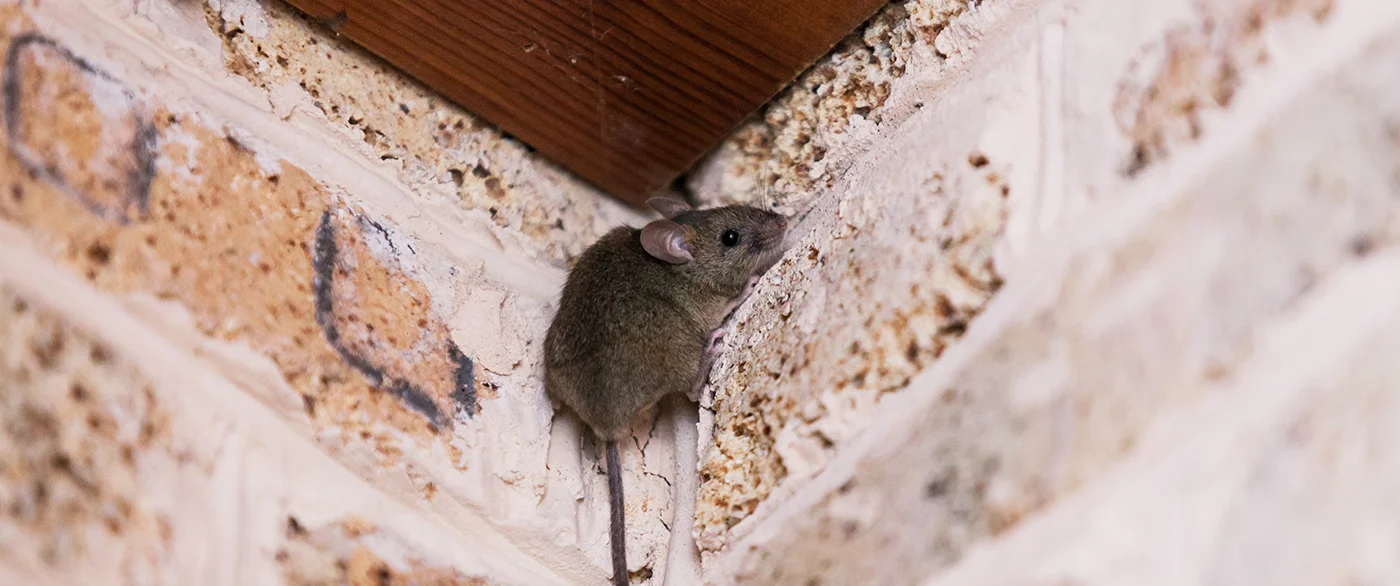
Mice, those adaptable creatures, have made themselves unwelcome guests in many United Kingdom homes, causing considerable distress and damage. But why do they inhabit your dwelling, and what exactly do they consume there? Delving into mice’s dietary habits is crucial for preventing and addressing a mouse infestation. Let’s explore some intriguing facts about mice, what lures them to your home, and how to safeguard your household from these unwanted intruders.
Mice possess some remarkable traits that may surprise you. Contrary to popular belief, they may find chocolate more enticing than cheese. These resourceful rodents can survive on minimal food and are known to scavenge through trash for sustenance. In extreme situations, they may resort to cannibalism, consuming their offspring or even their tails.
Beyond food, mice also have a penchant for gnawing on materials such as electrical wiring, cardboard boxes, and paper to construct their nests in secluded, inaccessible areas within your home.
Mice are drawn to residences that offer them warmth, food, and shelter. If your home provides these necessities, mice will seize the opportunity to make themselves comfortable. Understanding what attracts mice is vital in deterring potential infestations. While small and discreet, mice can inflict significant damage by chewing through wires, contaminating food sources, and spreading diseases. Some enticing factors for mice include:

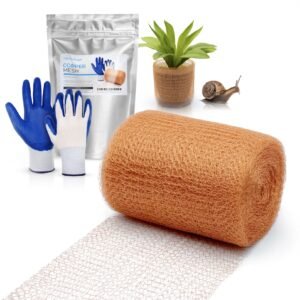
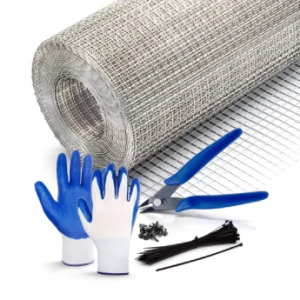
Sealing any potential entry points mice might exploit to gain access to your home is crucial. Check for gaps around doors and windows, filling them with weather stripping or caulk. Additionally, inspect walls, floors, and ceilings for holes or cracks, sealing them with steel wool or wire mesh.
Understanding mice’s dietary preferences in your home is essential for devising effective prevention strategies. Mice are opportunistic feeders and will consume almost anything available to them. They are not picky eaters and will devour a wide range of items, including:
Mice are attracted to habitats offering nourishment, hydration, and shelter. By comprehending their dietary habits, you can take proactive measures to prevent them from infiltrating your home.
Pet food left out overnight is a common lure for mice. Store pet food in airtight containers and promptly clean up spills or crumbs. Additionally, dispose of garbage regularly and maintain a clean kitchen to eliminate potential food sources. If you’re dealing with a mouse infestation, removing their food supply is crucial. Store food in sealed containers and promptly clean up any spills or crumbs to discourage their presence.
At Sarkman, we have over a decade of experience helping homeowners and business proprietors combat mouse infestations. Our team of experts utilizes rodent control products that can help catch them.