Rats and mice, known for their adaptability, thrive in various habitats and exhibit diverse dietary preferences. Their ability to consume almost anything humans do and adeptness at coexisting with humans in different environments has rendered them perennial nuisances worldwide. If you’ve spotted a rodent in your attic, basement, or garden, you might wonder about the foods attracting them and how to prevent infestations. Let’s delve into these questions and explore effective preventive measures.
1. Which Foods Attract Rats and Mice to Your Home?
Rats and mice, to maintain their constantly growing incisor teeth, engage in habitual chewing and gnawing, often damaging property in the process. However, they consume around 15-20 grams of various edibles daily. Here are the top seven foods that entice rodents to your home:
- Plants: Rodents devour a wide array of plants, including weeds, grass, barks, and twigs, using them for both sustenance and nesting material. Trimming overgrown vegetation is advisable to deter rodent activity.
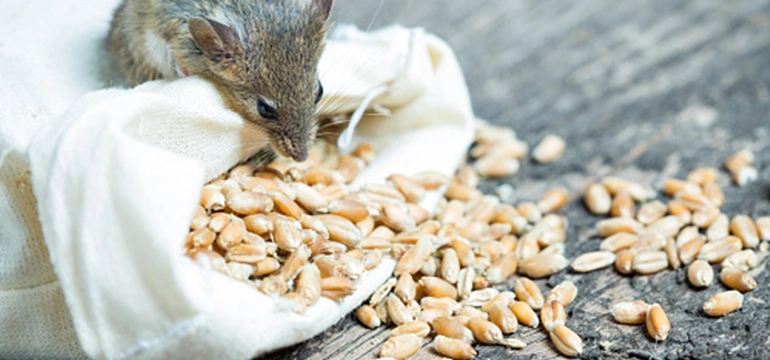
- Grains & Seeds: Found in agricultural fields or grain storage, grains and seeds are irresistible to rodents. In suburban settings, stored seeds and grains in pantries or basements attract rats and mice, sometimes motivating them to explore further into homes.
- Nuts: Rats and mice relish high-protein foods like almonds, walnuts, peanuts, and hazelnuts, considering them essential nourishment.
- Meat: While rodents prefer plant-based foods, they won’t hesitate to nibble on meat in trash cans or kitchen sinks. Rats, especially, consume various types of meat, including red meat, poultry, and fish.
- Fruits: Rats and mice joyfully consume fruits and berries whenever available. Rotting fruits emit odors that attract rodents, potentially leading to extensive infestations.
- Pet Food: Rodents see pet food as a readily available food source, so ensure pet food bowls are not left unattended, particularly overnight.
- Sweet and Salty Foods: Rats and mice have a penchant for sweet and salty treats like jerky, chocolate, or gumdrops.


2. Preventive Measures:
Limiting access to these foods significantly reduces the likelihood of rodent infestations. However, it’s essential to implement additional preventive measures:
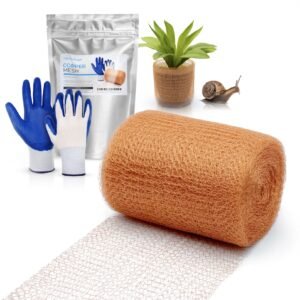
- Rodent-Proofing: Use steel wool or wire mesh to seal any entry points rodents might use to access your home, such as gaps around doors and windows.
- Regular Cleaning: Dispose of garbage regularly, clean up food spills promptly, and maintain a clutter-free environment to eliminate potential food sources.
- Traps and Rodent Poison: While DIY methods are often ineffective, professional rodent control services can provide tailored solutions to eradicate infestations safely and effectively.
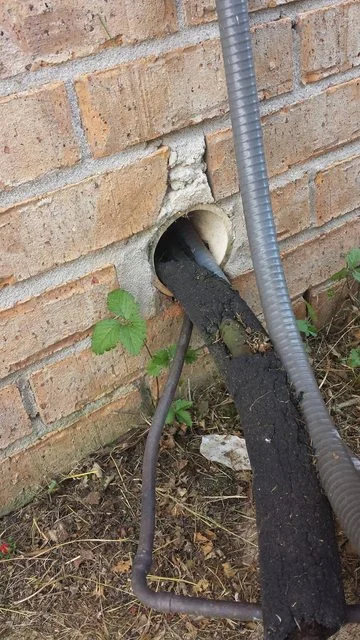

Taking proactive measures, such as pre-purchase rodent inspections, attic cleaning, and rodent-proofing, can prevent rodent problems before they escalate into epidemics. Don’t wait until you’re facing a rodent infestation; act early to safeguard your home and family.