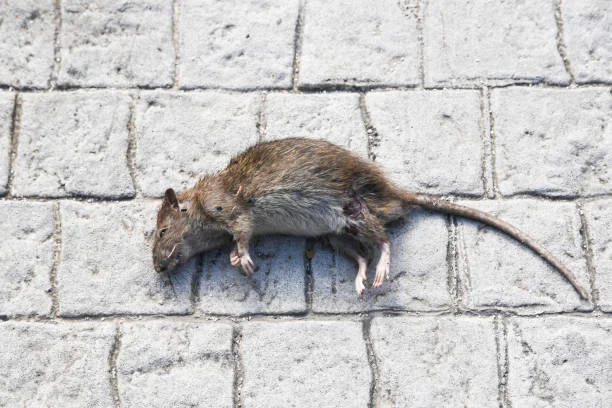

Few odors are as repulsive as that of a decaying animal, and the stench of dead rats can be particularly foul and persistent. Beyond the unpleasantness, the smell of a dead rat can pose health risks due to toxic gasses and microscopic compounds released during decomposition. If you’re facing this issue, it’s essential to understand the hazards and effective solutions.
The smell of a dead rat can harm health due to the toxic gasses and compounds constantly released into the indoor air during decomposition. These substances can permeate into the respiratory tract, potentially causing illness. Therefore, addressing the issue promptly is crucial for safeguarding your well-being.

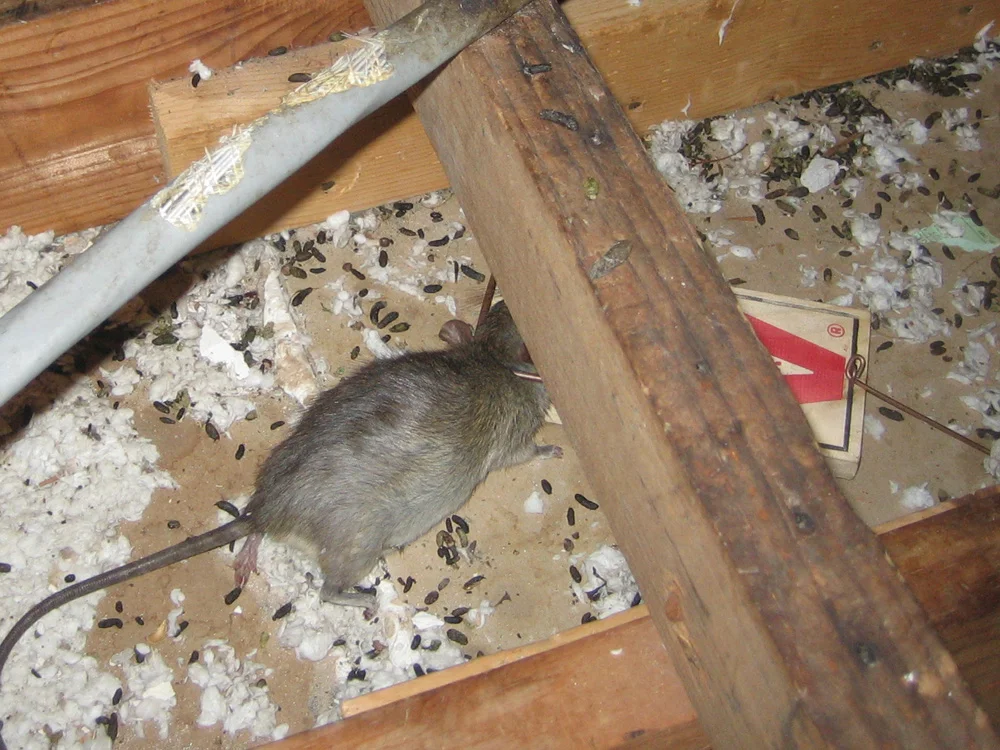
The lingering odor of a dead rat can persist long after the carcass has been removed, especially if the rodent died in an inaccessible area, such as behind a wall. Depending on the circumstances, it can take up to three weeks to a month for the smell to dissipate fully. During this time, the putrid odor of decaying flesh, reminiscent of propane gas or rotting meat, can permeate the indoor environment.
When dealing with dead rat smells, several strategies can help alleviate the issue:
Identify the source of the odor and thoroughly clean the affected area with a bleach and water solution. Proper sanitation is essential for eliminating bacteria and diseases associated with rodent decomposition. Wear protective gear, including gloves and masks, during the cleaning process.
Promote airflow within the space by opening windows and running fans to help dissipate the odor. Ensure that all vents are unobstructed to facilitate proper ventilation throughout the area.
Consider seeking professional assistance, especially if the odor persists or the rodent carcass is inaccessible. Pest control experts can safely locate and remove the carcass, minimizing health risks and eliminating the source of the odor.
Yes, breathing in the air around a dead rat can potentially cause illness due to releasing toxic particles and pathogens during decomposition.
If a rat dies in the wall, the best action is to locate and remove the carcass, although this may require professional assistance. Alternatively, masking agents can temporarily mitigate the odor until the decomposition process is complete.
In conclusion, addressing dead rat smells promptly and effectively is essential for maintaining a healthy indoor environment. By understanding the hazards and implementing appropriate solutions, you can mitigate health risks and restore freshness to your home.
In conclusion, addressing dead rat smells promptly and effectively is essential for maintaining a healthy indoor environment. By understanding the hazards and implementing appropriate solutions, you can mitigate health risks and restore freshness to your home.