

Mice, those unwelcome inhabitants of our homes, often leave more than tiny footprints as evidence of their presence. They also emit distinct, sometimes unpleasant odors. Your sense of smell can be a powerful ally in detecting a mouse infestation early on, potentially preventing it from becoming a more significant issue. Let’s delve into mouse-related scents and understand how Sarkman can assist.
One of the most recognizable scents of a mouse infestation is the strong smell of ammonia. This odor originates from mouse urine, which tends to scatter as they move around your home. As the urine dries, it releases ammonia into the air, creating a sharp, acrid smell. If you notice this distinct odor lingering in your living space, it could indicate the presence of mice.
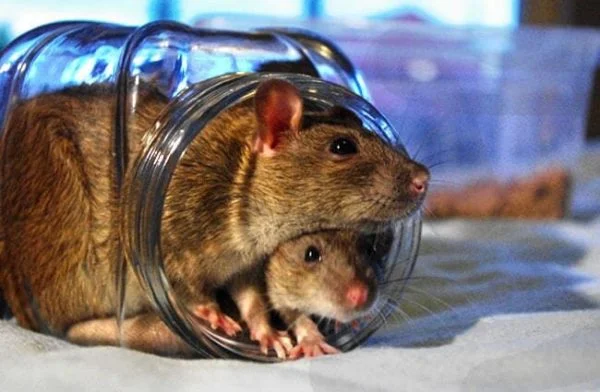

In addition to ammonia, you might detect musky or fishy odors, often emanating from mouse nests. Mice construct their nests using materials like paper, cloth, and insulation, which can absorb urine and feces over time. As these materials become soiled, they emit a musky or fishy scent. The intensity of these odors typically correlates with the size of the infestation. Therefore, encountering such smells should prompt further investigation into potential mouse nesting areas.
In more severe cases, you may encounter the unpleasant smell of decomposition, signaling the presence of deceased mice within your home. Mice have a knack for exploring hidden areas, making locating and removing their bodies challenging. The scent of a decomposing mouse is offensive and can pose health risks. If you detect this odor, it’s essential to locate and safely dispose of the deceased mouse and take steps to address the underlying infestation.
While odors are significant indicators of a mouse infestation, several other signs warrant attention:
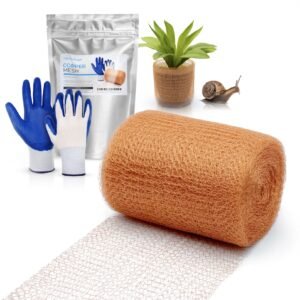
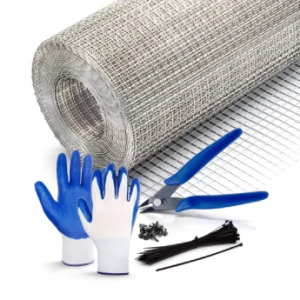
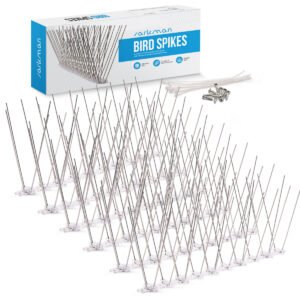
By being vigilant and paying attention to these signs and odors, you can identify a mouse infestation early and take proactive measures to address it. If you suspect or confirm a mouse problem in your home, don’t hesitate to check out Sarkman for rodent control products.