

Though both rodents possess distinct characteristics and behaviours, mice and rats require tailored pest control strategies for effective eradication. Recognizing the signs of each species and understanding their behaviours is crucial in implementing the appropriate measures to combat infestations. Let’s delve into the differences between mice and rats, the risks they pose and the challenges they present in pest control.
The House Mouse, characterized by its large ears, thin tail, and small body, is a common intruder in homes and businesses. Here’s how to identify mice:
Mice are agile and adept at navigating through tight spaces. They build nests in quiet areas and scavenge for food within homes, leaving behind droppings and urine trails. Their prolific breeding habits contribute to rapid population growth within infested areas.
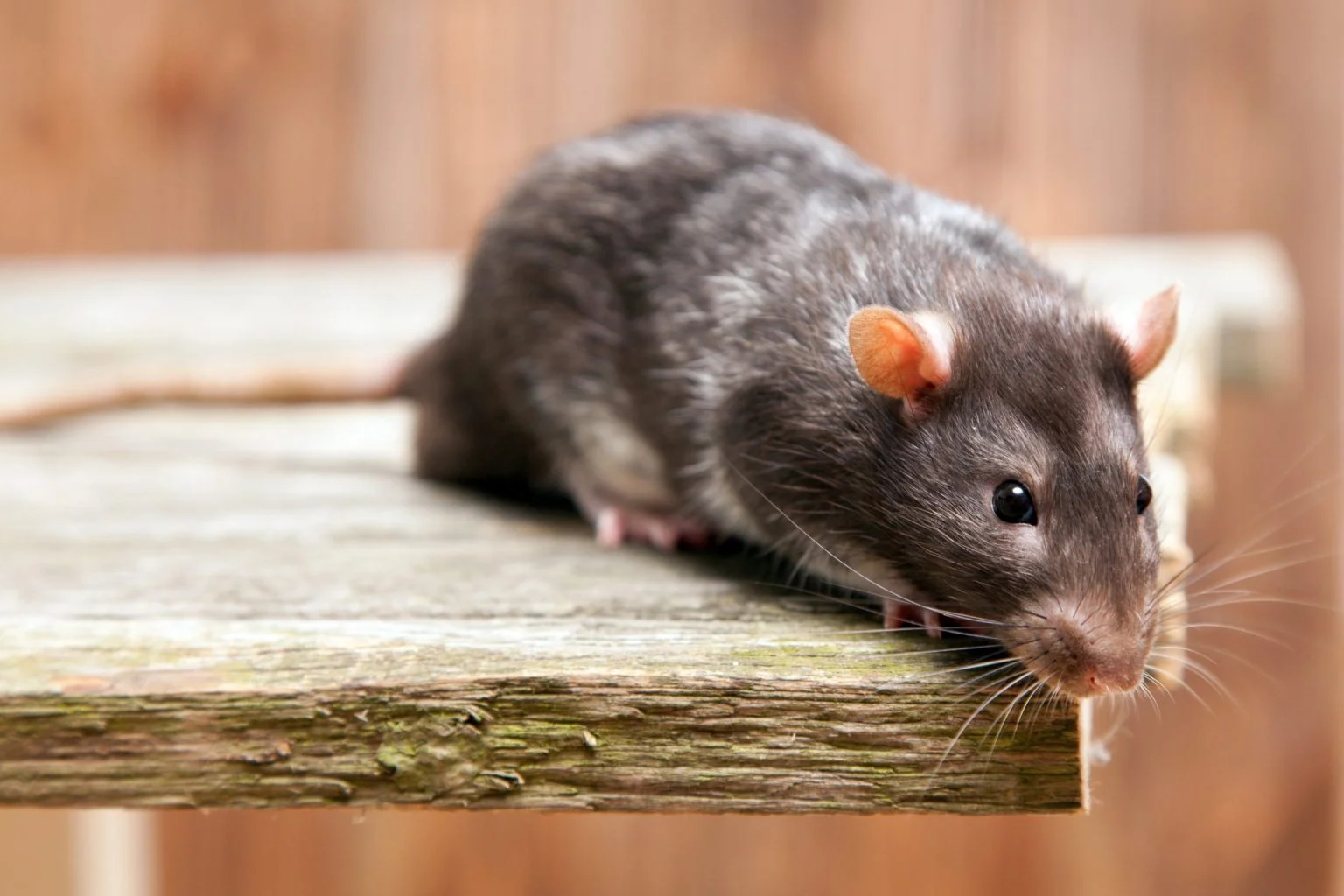
The brown rat, also known as the Norway rat, is a prevalent rat species found in homes. Here’s how to identify rats:
Rats excel in chewing through various materials, including walls, wires, and cinderblocks. They prefer ground-level habitats but possess excellent climbing abilities. With shorter lifespans than mice, rats reproduce prolifically throughout the year, posing significant challenges in pest control efforts.
Both mice and rats inflict extensive damage to properties and pose health risks to humans and pets:

Mice and rats require distinct pest control approaches due to their differing behaviours and preferences:
In conclusion, understanding the differences between mice and rats is paramount in implementing effective pest control strategies. By recognizing the signs of infestation and adopting tailored approaches, homeowners can mitigate the risks posed by these rodents and maintain a pest-free environment.